
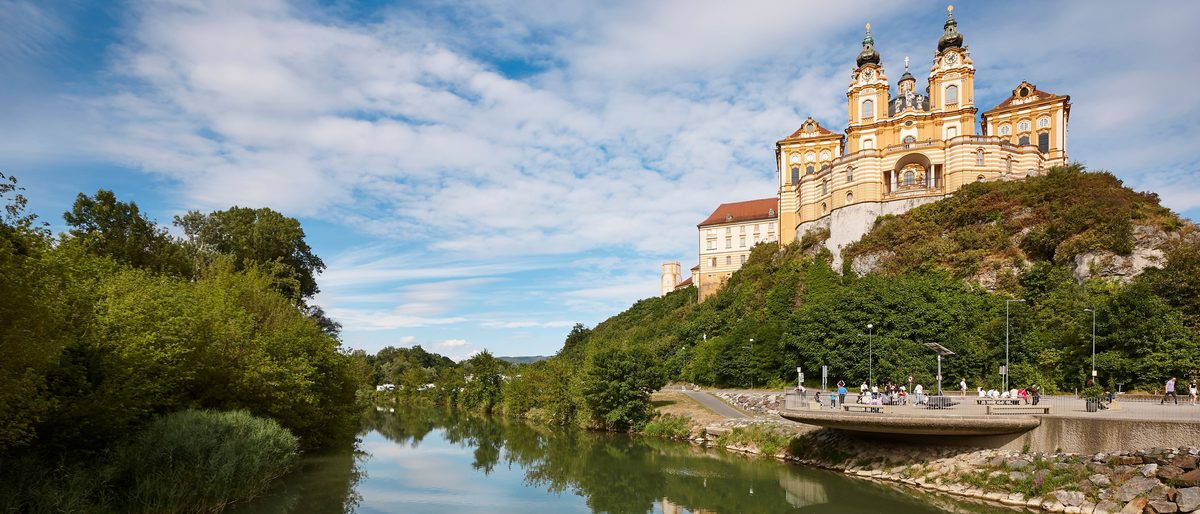
Europe's second-longest river, and the one most people mean when they think of a river cruise. The Danube runs from Germany's Black Forest to the Black Sea, past four capital cities. Most cruises sail the stretch between Passau and Budapest: baroque abbeys, vineyard terraces, Vienna and the Danube Bend, in a week.
The Danube is usually cruised in three parts. The upper river through Bavaria leads to Passau, where most cruises begin. The middle stretch, from Passau through Austria, Slovakia and Hungary to Budapest, is the classic week and the busiest river cruise route in Europe. Below Budapest the river runs through Croatia, Serbia, Romania and Bulgaria, through the Iron Gates gorge and on to the Danube Delta on the Black Sea. That lower river is quieter, longer and needs more time. Since 1992 the Main–Danube Canal has linked the river to the Main and the Rhine, so a ship can sail all the way from Amsterdam to Budapest and beyond.
When to go
Month by month
| January | Few or no sailings. |
|---|---|
| February | Few or no sailings. |
| March | Season opens late in the month. Apricot blossom in the Wachau from mid-March to mid-April. |
| April | Best month. Spring; apricot blossom in the Wachau; Easter markets in Vienna, Bratislava and Budapest. |
| May | Best month. Mild weather, long days. |
| June | Best month. Long days; summer music in Vienna, including large free open-air events. |
| July | Hot in the cities; Vienna's opera and concert halls largely close for summer. Low water is possible in dry summers. |
| August | As July. Wachau apricot harvest, mid-July to mid-August. |
| September | Best month. Grape harvest begins; the Vienna music season reopens. |
| October | Best month. Autumn colour in the Wachau; harvest and new wine. |
| November | Christmas markets open in mid-November; Christmas market sailings start in the second half of the month. |
| December | Best month. Christmas markets in Passau, Vienna, Bratislava and Budapest, usually until late December; short days and cold. |
The classic route

Passau to Budapest
A week on the Danube from Bavaria to Hungary, through Austria and Slovakia, with three capital cities and the Wachau valley. It is the most popular river cruise in Europe and a good first river cruise.
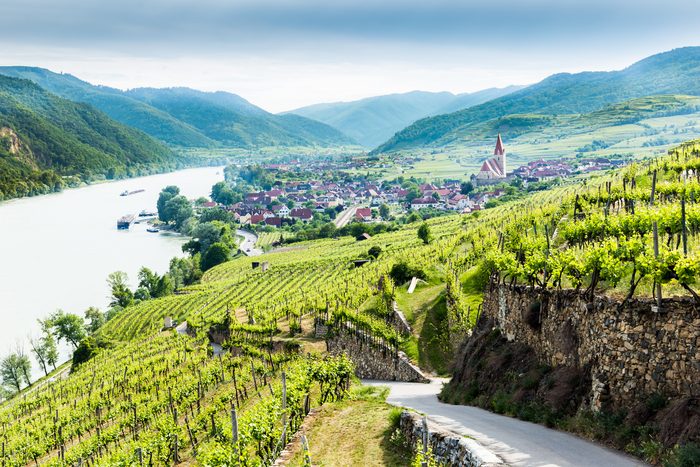
The Wachau
Forty kilometres of vineyards, apricot orchards, abbeys and castles between Melk and Krems, and the stretch of the Danube that most river cruisers remember best.
Places on the classic route
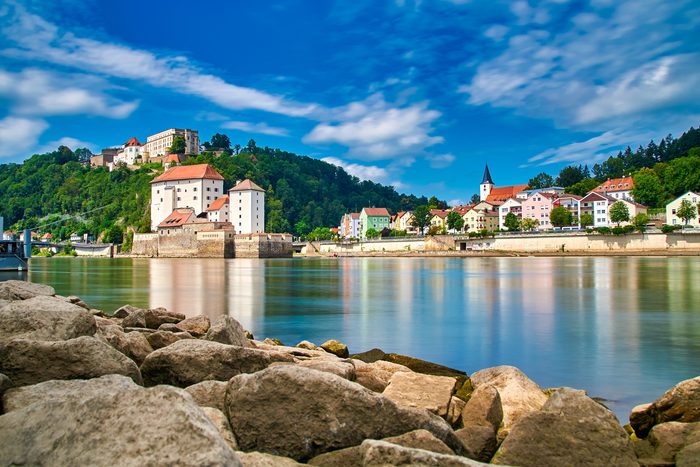
Passau
Passau sits on a narrow point of land where the Inn and the little Ilz join the Danube, and many classic Danube cruises start here.
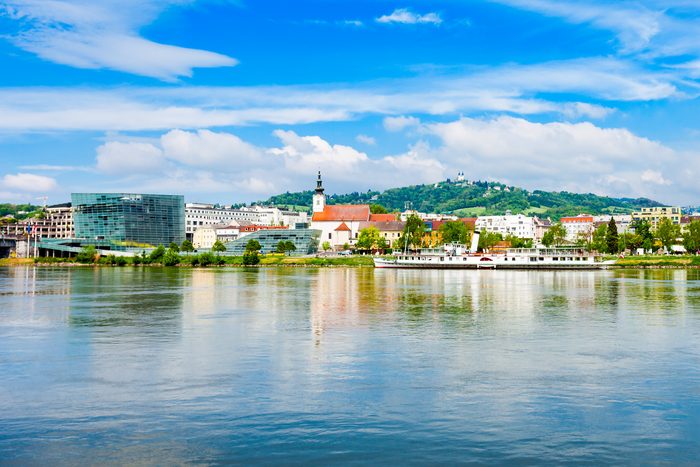
Linz
The capital of Upper Austria is a working river city with a strong modern arts scene; it was European Capital of Culture in 2009.

Melk
Melk Abbey, gold and cream on its rock above the town, marks the western gate of the Wachau and is one of the great Baroque buildings of Europe.
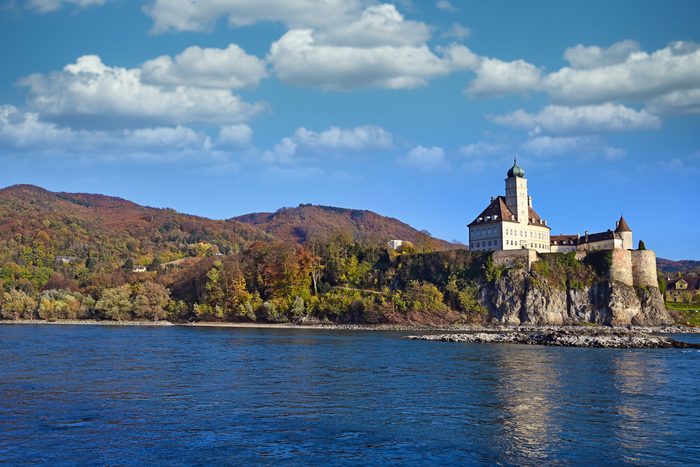
The Wachau
The 40-kilometre stretch of the Danube between Melk and Krems, lined with vineyard terraces, apricot orchards, castles and wine villages.
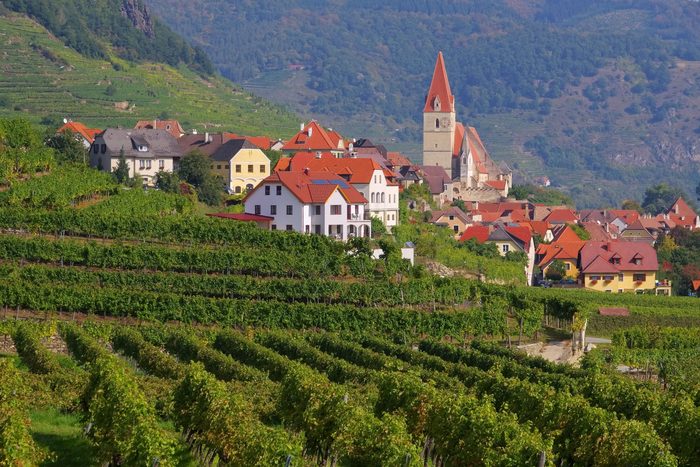
Spitz and Weissenkirchen
Two of the Wachau's best-known wine villages, a few kilometres apart in the heart of the valley.
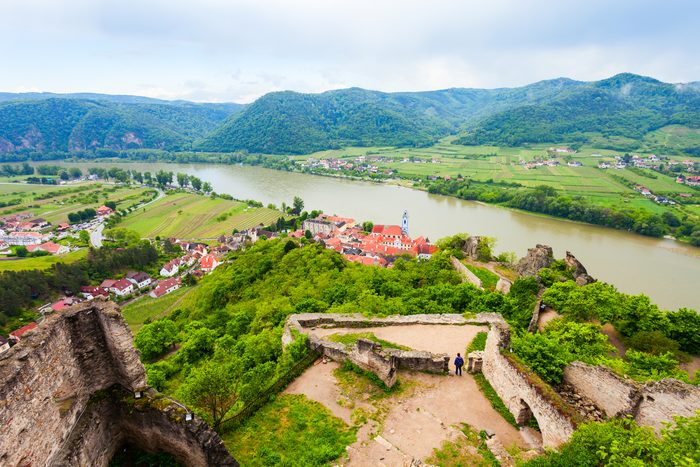
Dürnstein
A tiny walled town with a big story.
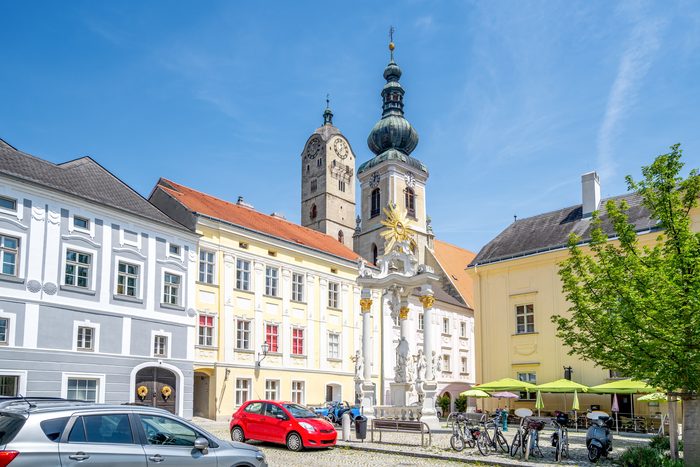
Krems
Krems closes the Wachau at its eastern end.
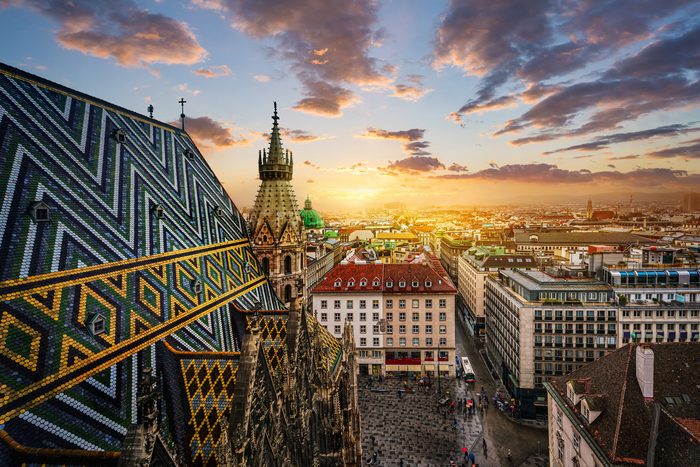
Vienna
For many people Vienna is the reason to take this cruise.
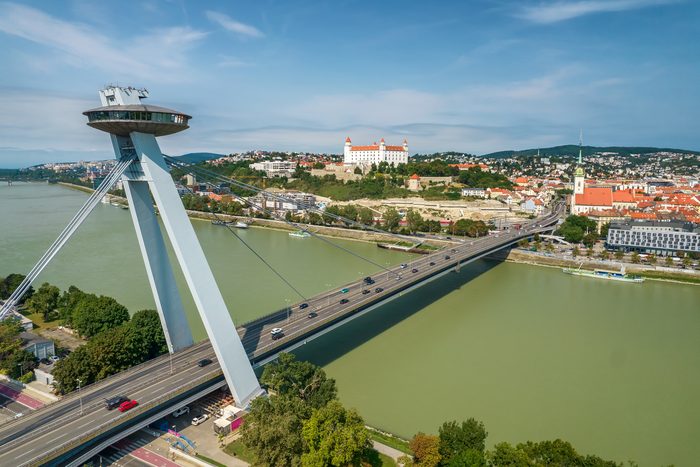
Bratislava
Slovakia's capital is small enough to see on foot in a morning.
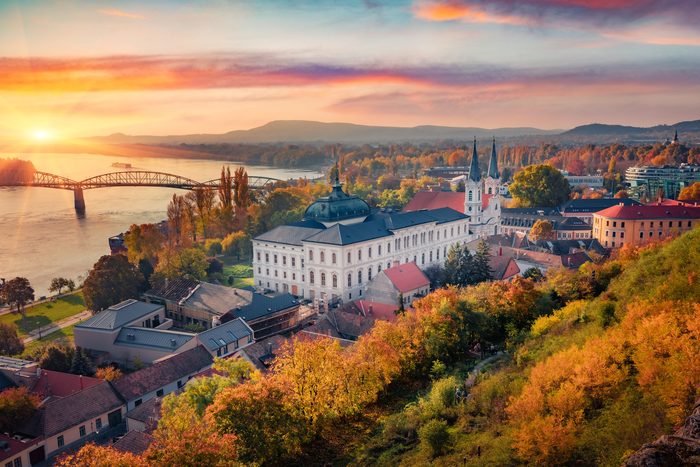
Esztergom
Hungary's first royal capital and the seat of its Catholic Church, at the start of the Danube Bend.
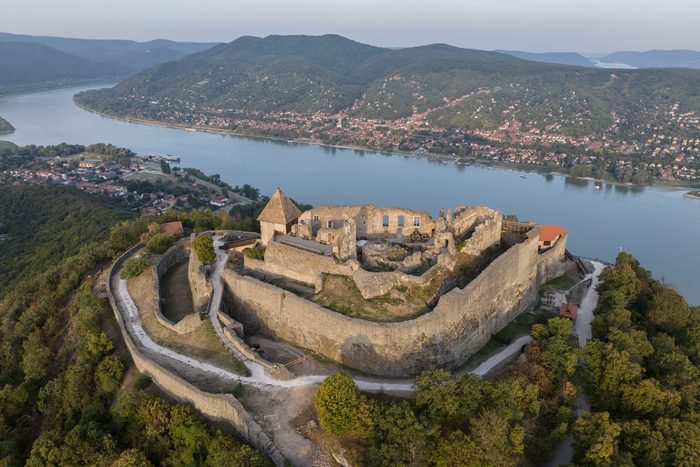
Visegrád
Visegrád sits at the tightest point of the Danube Bend, with the Upper Castle on the hill above giving one of the best river views in Hungary.
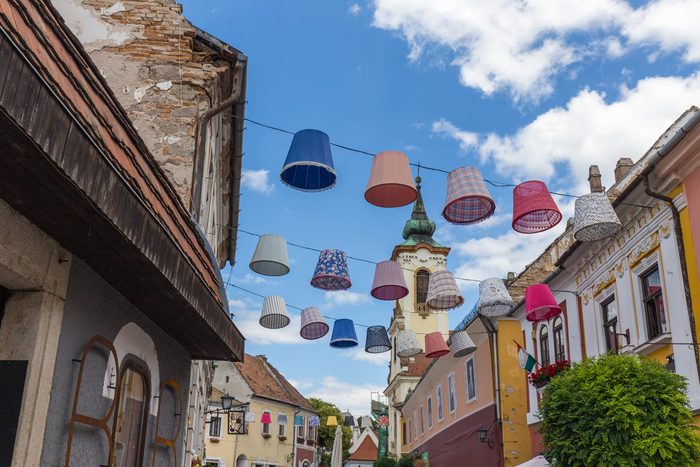
Szentendre
A colourful small town just north of Budapest, built largely by Serbian and other Balkan settlers in the eighteenth century and known since the 1920s for its…
Budapest
Few cities look better from the water.
Themes on the Danube
Sources
- Danube Wikipedia
- List of tributaries of the Danube Wikipedia
- Wachau Cultural Landscape UNESCO World Heritage Centre
- Historic Centre of Vienna inscribed on List of World Heritage in Danger UNESCO World Heritage Centre
- Budapest, including the Banks of the Danube, the Buda Castle Quarter and Andrássy Avenue UNESCO World Heritage Centre