
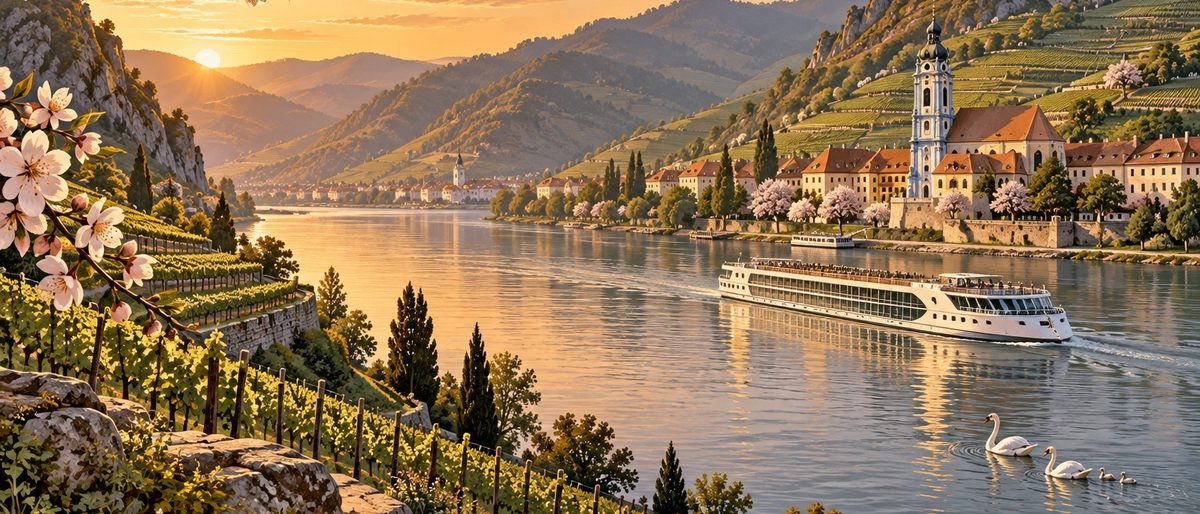
Why the Wachau
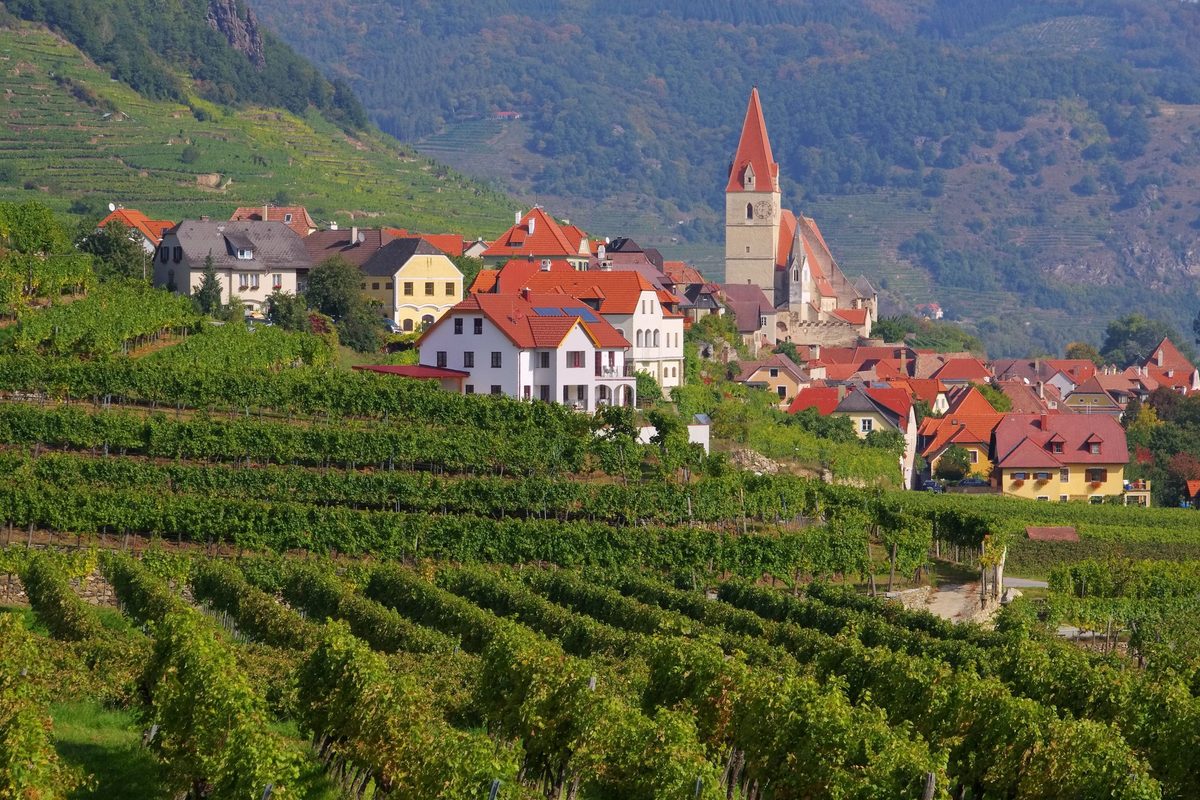
Between Melk and Krems the Danube leaves the open country and runs through a narrow, winding valley. For about 40 kilometres the slopes on either side are terraced with vines held up by dry-stone walls, and the river passes a string of wine villages, monasteries and castle ruins that have changed remarkably little in centuries. UNESCO inscribed the valley as the Wachau Cultural Landscape in 2000, recognising how well it preserves the traces of its history in its buildings, towns and farming. From the deck of a river ship it is simply the loveliest part of the Danube.
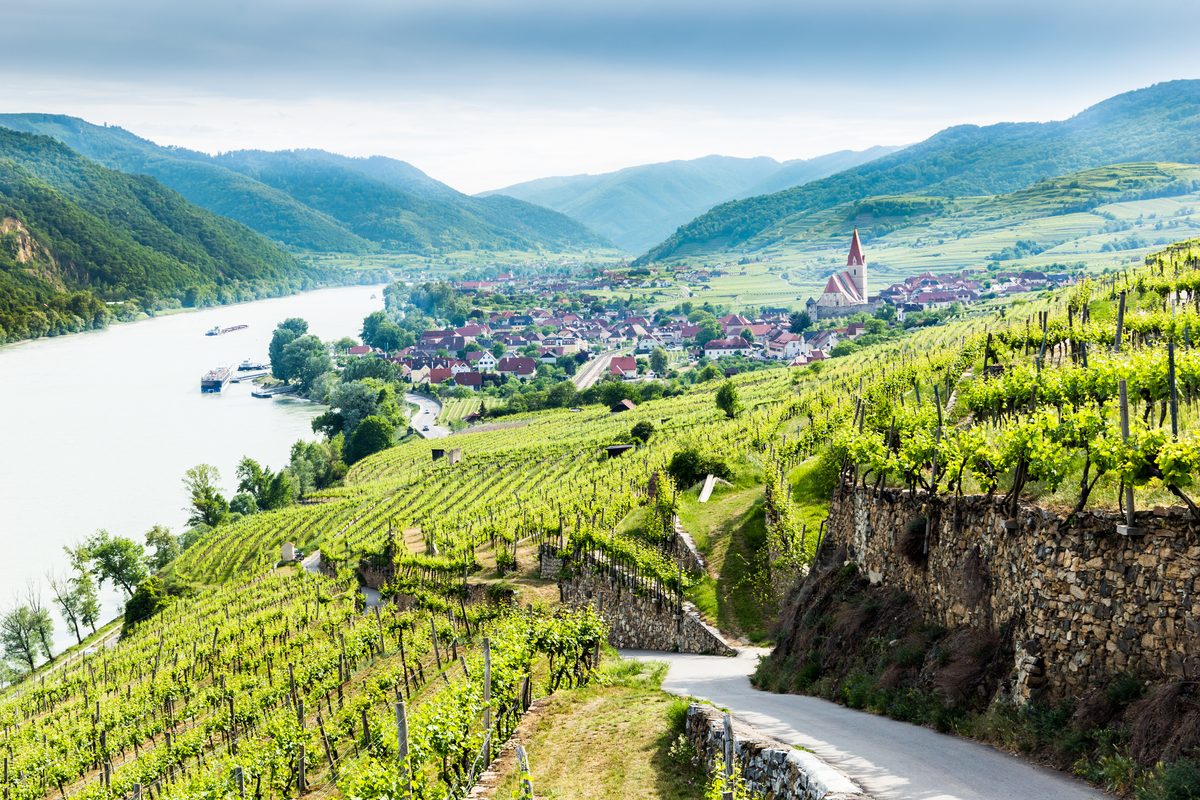
Seeing it from the river
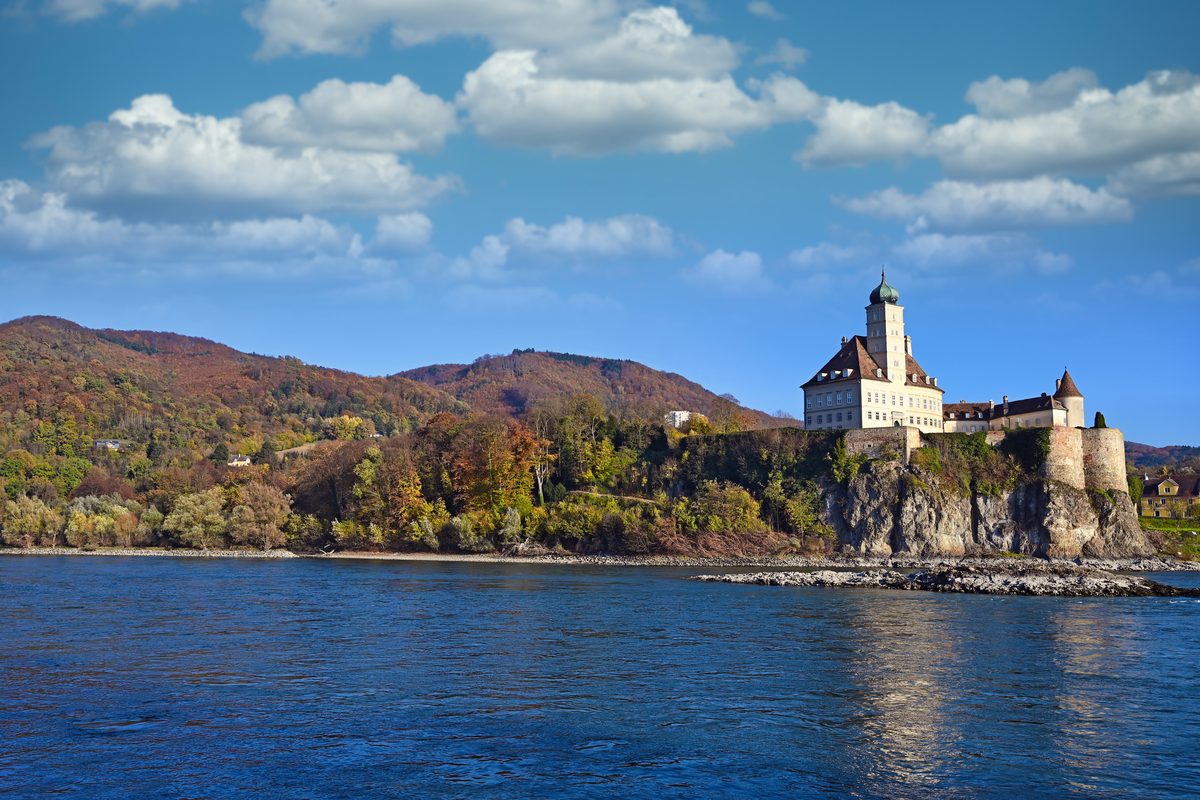
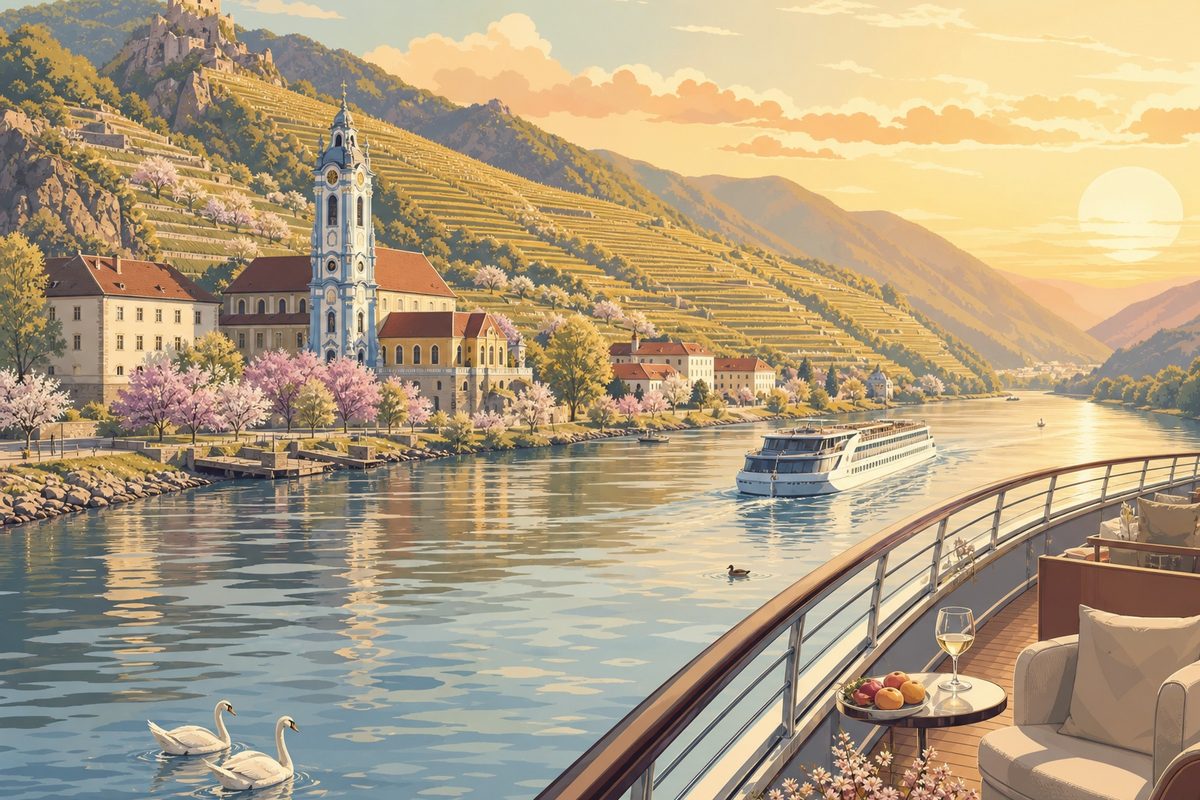
Most Passau to Budapest itineraries sail the Wachau in daylight, usually on the same day as Melk and Dürnstein. Be on deck between Melk and Dürnstein. Look out for Schönbühel Castle on its rock near the start, the ruins of Aggstein high on the right bank, the vineyard hills around Spitz and Weissenkirchen, and finally Dürnstein's blue tower as the valley opens out towards Krems. Most operators make an event of it, with commentary from the cruise director and local food and drink served on board.
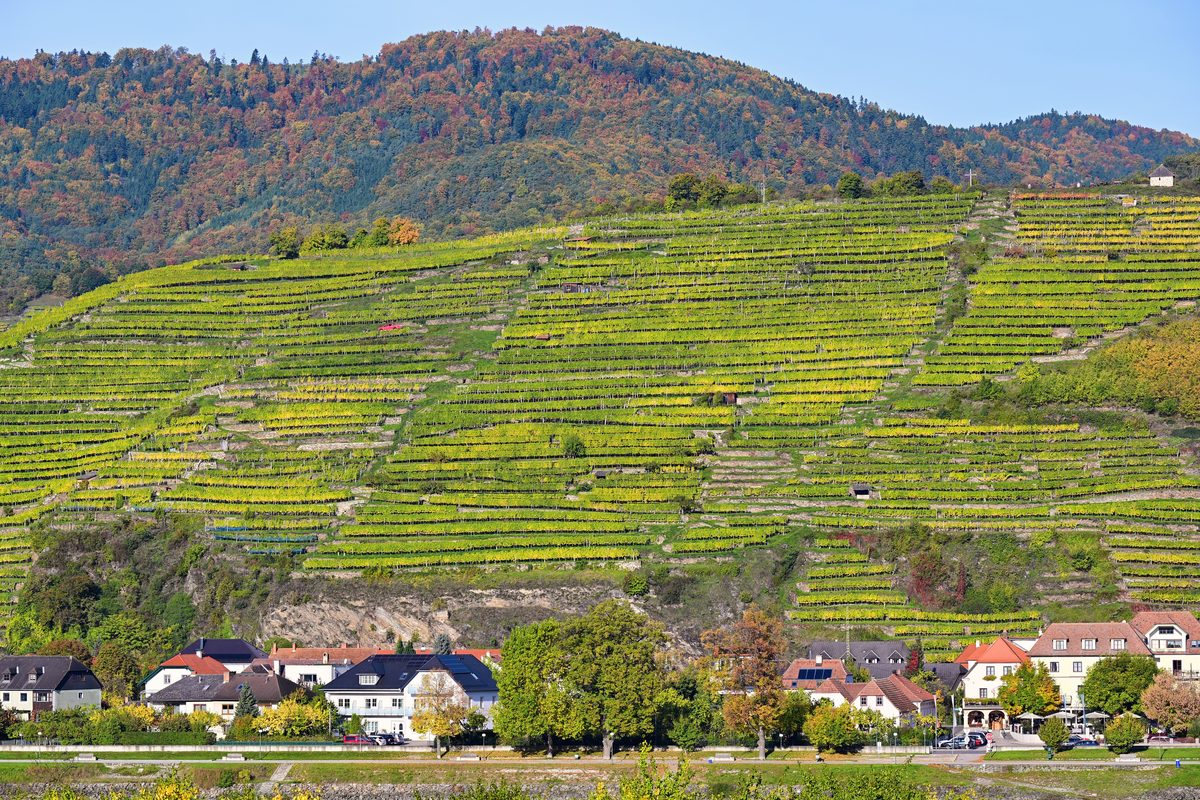
The wine
The Wachau is white wine country, best known for Grüner Veltliner and Riesling. Many growers belong to the Vinea Wachau association, which uses three names of its own on the label. Steinfeder wines are the lightest, at up to 11.5 per cent alcohol. Federspiel sits between 11.5 and 12.5 per cent. Smaragd, named after the emerald lizards that bask on the terrace walls, covers the richest wines, made from the ripest grapes. A tasting in Dürnstein or Weissenkirchen is one of the most popular excursions on the river.
Apricots
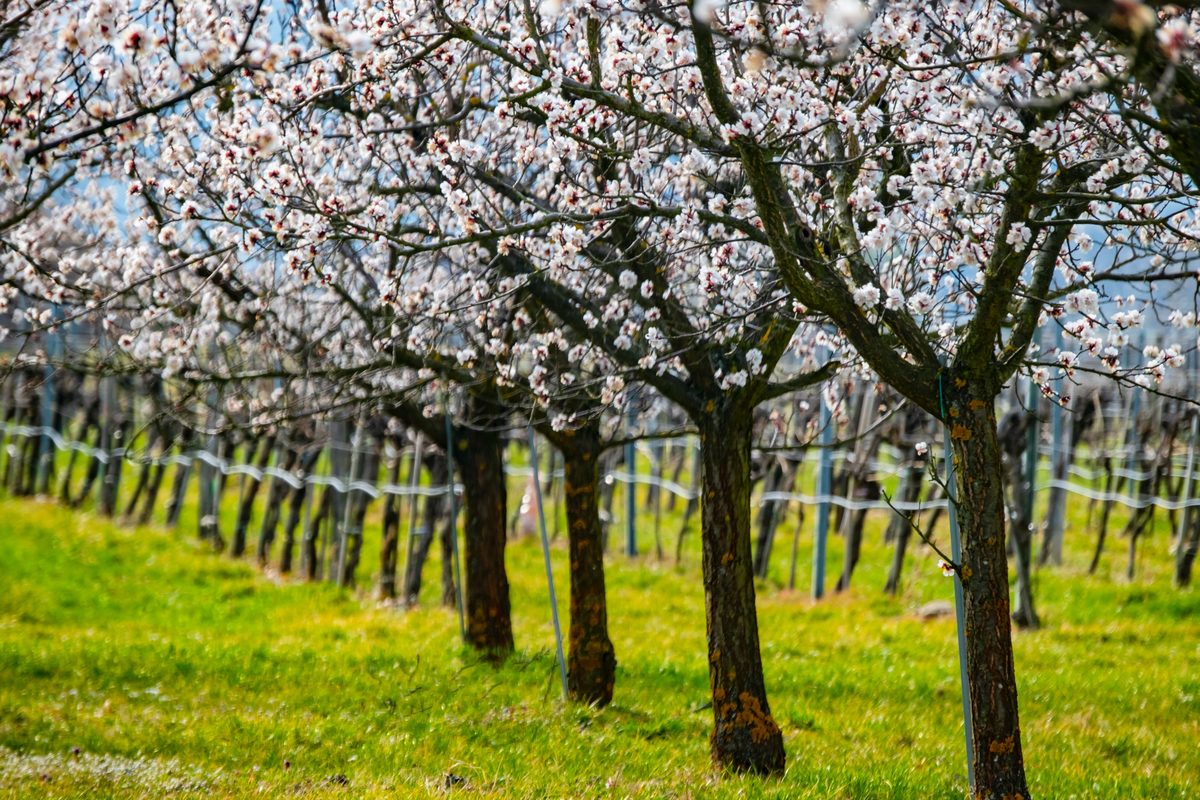
The valley is just as proud of its apricots. The orchards blossom from mid-March to mid-April, and the fruit is harvested from mid-July to mid-August, when it turns up in jam, liqueur, schnapps and dumplings all along the river.
When to go
Spring brings the apricot blossom, early summer the long evenings on deck, and October the grape harvest and the valley's autumn colours. In winter the Wachau is quiet and the Christmas market cruises pass through it on their way to Vienna.
Sources
- Wachau Cultural Landscape UNESCO World Heritage Centre
- Steinfeder, Federspiel and Smaragd Vinea Wachau
- Glossary: Smaragd, Federspiel, Steinfeder Wine Spectator